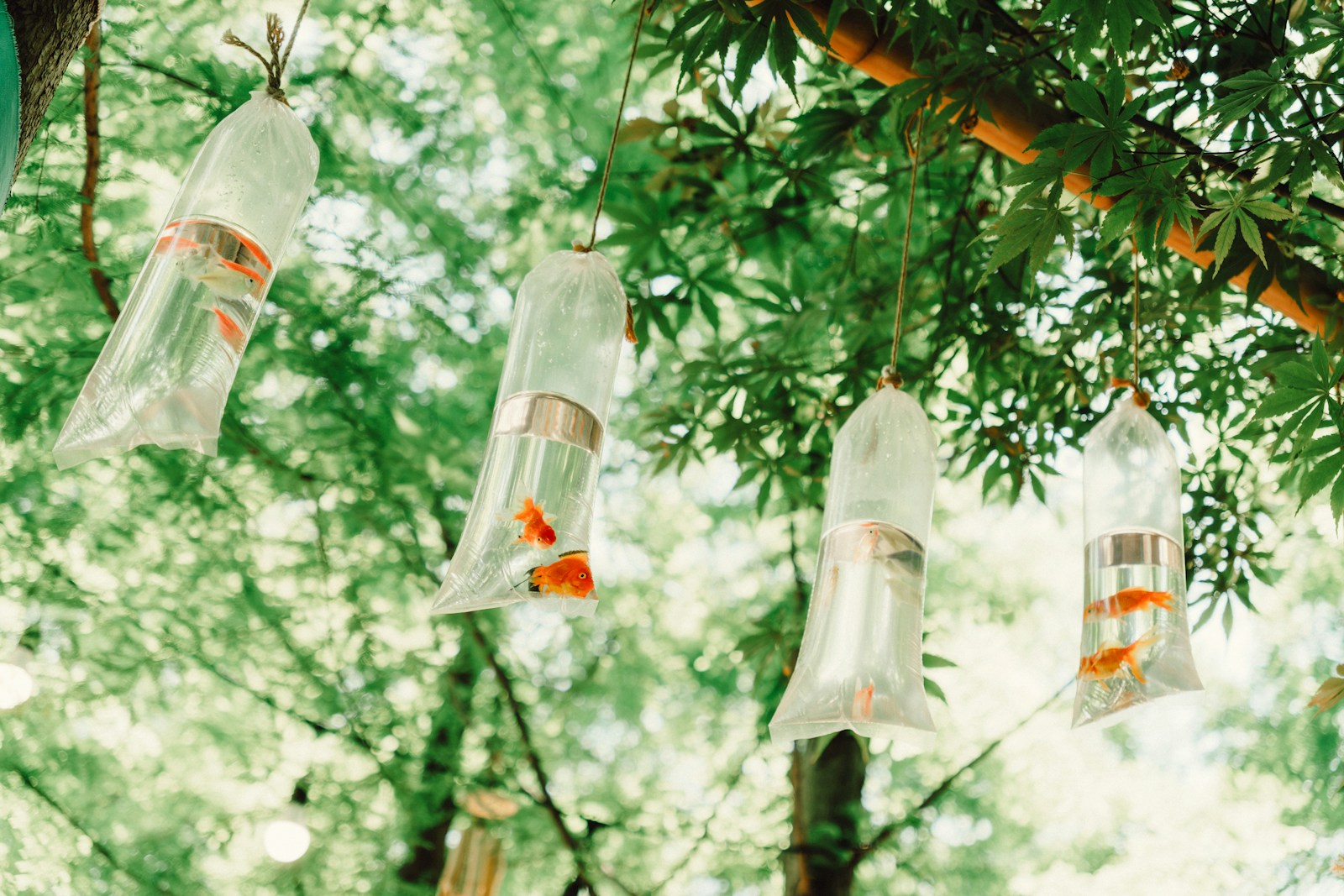
Drip Acclimation Guide: How to Safely Introduce New Fish and Shrimp
Drip acclimation is the single most useful skill a new fishkeeper can learn. It takes 45 minutes and a few dollars of airline tubing, and it is the difference between a healthy new addition and a dead one. This guide walks you through it step by step, including the timings we use here in the CSRA (Central Savannah River Area) when our own fish move tanks.
Why Drip Acclimation Matters
When a fish or shrimp travels in a sealed bag, two things happen. First, the metabolic waste they produce builds up as ammonia, which becomes increasingly toxic as the trip goes on. Second, the water in the bag drops in pH because of CO2 from respiration and the bacterial breakdown of waste. Lower pH temporarily protects the animal because ammonia is less toxic in acidic water.
The moment you open the bag and expose it to air, the pH starts rising back toward neutral and the previously locked-up ammonia becomes acutely toxic. At the same time, the water in your tank has different pH, different mineral content, different temperature, and different oxygen saturation. Dumping the animal directly into your tank, or even floating the bag and tipping it in after 15 minutes, exposes them to chemistry whiplash. They might survive that day and die three days later, and you will wonder what happened.
Drip acclimation solves this. By slowly trickling tank water into the shipping water over 45 to 120 minutes, you change every variable gradually instead of all at once. The animal adjusts. When you finally net it into the tank, the water it leaves and the water it enters are nearly identical.
What You Need
- Airline tubing, three to four feet of it. The standard flexible plastic kind used for air pumps.
- An airline control valve (sometimes called a gang valve or air valve), one or two dollars. This is the knob that lets you adjust the drip rate.
- A clean bucket or large container dedicated to fish use only. Five-gallon food-grade buckets work well. Do not use a bucket that has held cleaning products.
- A towel for the inevitable drips.
- A net sized for the animal you are acclimating.
- A thermometer, optional but useful.
- Suction cups or clothespins to hold the tubing in place. Optional but it makes the process much easier.
Step by Step
- Turn off your tank lights. Stressed animals are calmer in dim conditions. Leave the lights off through the whole acclimation and for at least an hour after you add them.
- Float the unopened bag in your tank for 15 minutes. This equalizes temperature, which is the one variable you do not want to drip-adjust. If the bag has been on your porch in the cold or heat, this step matters more.
- Pour the bag contents, water and animals together, into your clean bucket. Set the bucket on the floor below the tank. Gravity does the work here, so the bucket must be lower than the tank.
- Tilt the bucket slightly with a towel or wedge under one side so the animals can congregate in the deeper end while the water level is low. Shrimp especially appreciate this.
- Set up the siphon. Start a siphon from the tank through the airline tubing into the bucket. To start the siphon, submerge the tubing in the tank until it fills with water, then quickly cap one end with your thumb and lower it into the bucket. Release. Water will flow. If you are squeamish about a brief mouthful of tank water, use a turkey baster to suck the line started instead.
- Adjust the control valve to a slow drip. For fish, two to four drops per second is the target. For shrimp, one to two drops per second. You should be able to count individual drops; if it is a stream, the valve is too open.
- Wait. Check on it every 15 minutes. The bucket water level will slowly rise.
- When the water in the bucket has at least doubled in volume (for fish) or tripled (for shrimp), stop the drip. Pinch the line or close the valve fully.
- Net the animals out of the bucket and place them in your tank. Do not pour bucket water into the tank. The whole point of drip acclimation is so you can leave that water behind.
- Discard the bucket water down the drain. Leave the lights off, do not feed for 12 hours, and resist the urge to check on them every five minutes. They need to settle.
Acclimation Time
Different animals need different timings. Fish are more tolerant of pH and TDS shifts than shrimp because they have active osmoregulation. Shrimp do not, and they need extra time.
| Animal | Total Time | Drip Rate |
|---|---|---|
| Guppies, mollies, platies, swordtails | 45 minutes | 2 to 4 drops per second |
| Tetras, rasboras, barbs | 45 to 60 minutes | 2 to 4 drops per second |
| Bettas, gouramis | 45 minutes | 2 to 3 drops per second |
| Neocaridina shrimp | 90 to 120 minutes | 1 to 2 drops per second |
| Caridina shrimp (CRS, Taiwan bee) | 2 to 3 hours | 1 drop per second |
| Snails (nerite, mystery) | 30 minutes | 2 to 4 drops per second |
After You Add Them
Once the animals are netted in, leave them alone. Specifically:
- Do not pour the bag or bucket water into your tank. It contains accumulated ammonia, possible pathogens from the shipping process, and dye if any was added. None of that belongs in your display tank.
- Do not feed for at least 12 hours. Their gut is stressed and they will not eat much anyway. Feeding adds nitrogen to a tank that has just had new bioload added.
- Leave the lights off for an hour or two. Dimming reduces stress and lets them find hiding spots.
- Watch but do not poke. They will hide. This is normal. Shrimp especially will molt within 24 to 48 hours of being moved, and they need the cover to survive that vulnerable window.
- Resist the urge to test water immediately or do anything. Your tank is fine. They are fine. Come back in the morning.
When to Skip Drip Acclimation
There are a few cases where the standard drip protocol is wrong and you should do something different.
Dead on arrival or visibly dying
If a fish or shrimp is on its side, gasping, or motionless when you open the box, drip acclimation will not save it. Net it directly into your tank and hope. The clock is too short for a slow drip. This is also when to take photos and document the condition for any live arrival guarantee claim. Our shipping policy covers exactly what to document and when.
Long transit (over 48 hours)
If a shipment got delayed and the animals have been in their bag for two or more days, ammonia in the bag water is dangerously high. Doing a slow drip exposes them to that ammonia for another two hours. In this case, do a fast acclimation: float the bag for 15 minutes for temperature, then net the animal directly into the tank. The shock from new water is less harmful than the prolonged ammonia exposure.
Bag water is visibly fouled
If the water in the bag is cloudy, smells strongly of ammonia, or has obvious waste, treat it as a long-transit situation. Float, net out, discard bag water. Do not drip.
Pro Tips
- Mark the tubing with a sharpie at the depth you want it in the tank. Saves time on every future acclimation.
- Use a binder clip or clothespin to attach the tubing to the rim of the tank and the bucket. Keeps it from popping out.
- If the bucket is going to overflow, dump half the water out into the drain every 30 minutes and keep dripping. Just make sure you do not lose any animals when you pour.
- For shrimp specifically, drop a piece of cholla wood or a small clump of java moss into the bucket. Gives them something to grip. A stressed shrimp on a smooth bottom is more stressed than one with cover.
- Lights off, every time. This is so simple and it makes such a difference. Especially for fish that have been in dark shipping boxes for a day.
- Quarantine if you can. A separate small tank just for new arrivals catches diseases before they hit your display. Two weeks of quarantine is the gold standard. We acclimate every incoming animal to a quarantine system before they ever touch a customer tank.